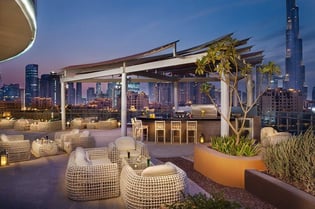
 The most successful hotel patios aren’t defined by symmetry or styling alone. They’re defined by comfort, flexibility, and usability.
When a patio is designed around real guest behavior, it becomes an extension of the hotel experience, not just a backdrop. Guests stay longer, spend more, and remember the space long after checkout.
Understanding Guest Behavior in Luxury Hotel Patio Design
One of the most common mistakes in outdoor hospitality design is choosing furniture before understanding how guests actually use the space.
Hotel guests don’t use patios as floor plans suggest they should. They pull chairs into the shade, push seating together to create conversation zones, and naturally avoid areas that feel overly exposed, uncomfortably hot, windy, or disconnected from activity.
Usage also varies by guest type:
-
Leisure travelers gravitate toward relaxed, social seating.
-
Business travelers seek quieter areas with comfortable, supportive chairs.
-
Couples prefer more intimate, scaled-down arrangements.
-
Groups instinctively reconfigure furniture to sit together.
A successful hotel patio design takes these real behaviors into account. Instead of forcing guests to adapt to a rigid layout, it builds in flexibility, allowing the space and furniture to adapt to how guests naturally use it.
Keep Guests Comfortable with Smart Shade Planning
If there’s one universal truth in hotel patio design, it’s this: no shade equals no guests.
Guests will choose a shaded chair every time, even if it means moving furniture themselves. Without adequate shade, patios sit empty during peak daylight hours, which kills food, beverage, and poolside revenue.
Smart shade planning includes:
-
Pergolas or cabanas to define seating zones
-
Cantilever umbrellas that provide coverage without blocking views
-
Layered shade to account for changing sun angles throughout the day
Well-planned shade doesn’t make a patio feel closed off. It extends its usable hours, which directly affects how often guests return to the space.
Maximize Hotel Patio Use After Sunset with Fire Features
Fire features do more than add ambiance. They actively influence how guests use an outdoor space.
A well-placed fire pit or outdoor fireplace becomes a natural gathering point. Guests linger longer, conversations flow more easily, and patios remain active well into the evening. During cooler months, fire features often determine whether an outdoor space stays lively or goes unused once the sun goes down.
Successful fire feature integration requires intention:
-
The scale of the fire element should align with the amount of surrounding seating.
-
Placement should allow the feature to act as a focal point, not an afterthought.
-
Safety clearances and spacing must accommodate traffic flow and comply with local regulations.
When designed correctly, fire features extend the patio’s usable hours and enhance guest experience without adding operational burden or the need for additional programming.
Create Flexible Outdoor Layouts with Modular Furniture
Fixed furniture layouts may look clean on paper, but they rarely hold up in active hospitality settings.
Modular outdoor furniture gives hotel teams the ability to adjust patio layouts quickly and efficiently based on real-time needs, including:
-
Fluctuating guest volume throughout the day
-
Shifts from daytime lounging to evening social use
-
Private events, buyouts, or group reservations
-
Seasonal changes that affect how the space is used
With modular seating, a single patio can transition seamlessly from a casual morning lounge to an energetic evening cocktail space, and then reconfigure again for events when needed. This flexibility keeps the patio relevant, minimizes wear caused by guests rearranging furniture themselves, and simplifies setup and breakdown for staff, all of which contribute directly to long-term performance and profitability.
Support Multiple Guest Experiences with Thoughtful Zoning
A successful hotel patio is designed to do more than look cohesive; it is built to support a variety of guest needs at the same time.
Thoughtful zoning allows the space to function intuitively throughout the day by creating distinct areas, such as:
-
Quiet lounge zones for reading, working, or morning coffee
-
Social gathering areas anchored by fire features
-
Dining-height seating that supports food and beverage service
-
Open, flexible areas that can be reconfigured for events or overflow seating
Clear zoning improves traffic flow, manages sound levels, and helps the patio feel organized and inviting, even during peak usage. Instead of competing activities clashing within one space, each zone enhances the overall guest experience while contributing to a cohesive design.
If you’re ready to build a high-traffic outdoor destination that drives guest loyalty, the team at Casual Creations is here to help. We specialize in high-end, commercial-grade solutions designed to maximize both guest satisfaction and your return on investment. Contact us today to start building a space that encourages repeat visits and rave reviews.